Is Bangkok property a good investment?
It can be, but not by default. Bangkok is a large, deep market with sustained demand for well-located rental housing from local professionals and international residents. It is also a market where supply can arrive quickly in popular districts, and where resale prices for older or poorly managed buildings can lag the wider market for years.
The investments that work tend to share three features: a purchase price that makes sense against comparable resale units today, a location where tenants actually want to live — close to rail, employment and daily amenities — and a building that is well managed. The ones that disappoint are usually bought on a projected price rise that does not arrive.
How does a property investment make money?
- Rental income — the rent you collect, minus the costs of owning and letting the property. This is the part you can measure before you buy.
- Change in value — the difference between what you pay and what you eventually sell for, minus the costs of buying and selling. This depends on the market at the time you exit.
Total return combines both. A useful discipline is to ask whether the investment still makes sense if the value stays flat: if the net rental income alone is acceptable, capital growth becomes an upside rather than a requirement.
Gross yield vs net yield
Gross yield is annual rent divided by purchase price. It is quick to calculate and useful for comparing listings, but it ignores costs. Net yield deducts the costs of owning and letting the property. The gap between the two is often larger than investors expect.
| Item | Assumption | THB per year |
|---|---|---|
| Purchase price | 60 sqm condominium | 10,000,000 |
| Rent | 45,000 per month × 12 | 540,000 |
| Gross yield | 540,000 ÷ 10,000,000 | 5.40% |
| Common-area fee | 60 THB/sqm/month × 60 sqm × 12 | −43,200 |
| Vacancy | One month empty per year | −45,000 |
| Letting fee | One month's rent per one-year lease | −45,000 |
| Maintenance & furnishing reserve | Assumed | −30,000 |
| Land and Building Tax | 0.02% × assumed appraised value of 8,000,000 | −1,600 |
| Net income before income tax | 375,200 | |
| Net yield before income tax | 375,200 ÷ 10,000,000 | 3.75% |
Illustrative assumptions, not market data · Updated 28 Sept 2026 · Sources: [2]
Purchase costs are excluded. Income tax depends on the owner's circumstances and is shown separately below.
What do yields look like today?
Rather than quote a single "Bangkok yield", we publish what we can see directly: listings in our own collection that are offered both for sale and for rent, which lets us calculate an indicative gross yield from the owner's own asking figures.[1]
| Project | Area | Size | Asking price (THB) | Asking rent (THB/month) | Indicative gross yield |
|---|---|---|---|---|---|
| Noble State 39 | Sukhumvit – Asoke – Thonglor | 2 bed · 105 sqm | 24,300,000 | 120,000 | 5.9% |
| The Pano Rama 3 | Rama 3 – Sathupradit | 3 bed · 224.79 sqm | 33,000,000 | 120,000 | 4.4% |
| H Sukhumvit 43 | Sukhumvit – Asoke – Thonglor | 4 bed · 238 sqm | 51,500,000 | 180,000 | 4.2% |
| SCOPE Langsuan | Wireless – Chidlom – Langsuan | 2 bed · 156.55 sqm | 122,600,000 | 415,000 | 4.1% |
| Tonson One Residence | Wireless – Chidlom – Langsuan | 2 bed · 106.89 sqm | 48,300,000 | 159,000 | 4.0% |
| The Estelle Phrom Phong | Sukhumvit – Asoke – Thonglor | 2 bed · 144 sqm | 64,400,000 | 195,000 | 3.6% |
Asking prices and asking rents, September 2026 (n = 6) · Updated 28 Sept 2026 · Sources: [1]
Asking figures, not achieved prices or rents; a small, upper-market sample, not a market average. Gross yield = asking monthly rent × 12 ÷ asking price.
What drives rental demand in Bangkok?
- Rail access. Walking distance to a BTS or MRT station widens the pool of tenants more than almost any other single factor.
- Employment and daily life. Proximity to business districts, international schools, hospitals and supermarkets shapes who will rent — and for how long.
- Unit fit. Layout, natural light, storage and furnishing quality often matter to tenants as much as size.
- Building management. A well-run building with maintained facilities lets faster and holds its rent; a poorly run one erodes both rent and resale value.
- Competing supply. Many near-identical units in the same building or on the same street put a ceiling on rent.
Costs that change the return
When buying, budget for your share of the transfer fee and any furnishing — see our guide to buying property in Bangkok for the full cost table. While holding, common-area fees, the Land and Building Tax[2] and maintenance apply every year. On rental income, individuals are taxed at progressive rates and can deduct either a standard 30% of gross rent or documented actual expenses.[3] When selling within five years, specific business tax of 3.3% on the higher of the appraised value and the sale price usually applies.[4]
What are the main risks?
- Supply risk — new projects nearby can compete for the same tenants and buyers.
- Vacancy and tenant risk — a month or two without a tenant has a large effect on net yield.
- Liquidity — resale can take longer than expected, especially for large or unusual units.
- Currency — for foreign investors, returns in their home currency depend on exchange rates.
- Legal structure — leasehold terms are capped at 30 years, and foreign freehold depends on the building's foreign quota.[5]
- Building quality — defects, weak management or an under-funded sinking fund become the owner's cost.
A short checklist before you commit
- Compare the asking price per square metre with current resale asking prices in the same building and two or three comparable buildings nearby.
- Estimate achievable rent from units currently listed for rent in the same building — and how long they have been listed.
- Calculate net yield with your own assumptions, not only gross yield.
- Read the juristic person's accounts: common fees, sinking fund, planned works.
- Decide your likely holding period and include exit costs.
- Ask what would have to go wrong for the investment to lose money, and how likely that is.
Investment opportunities in the collection
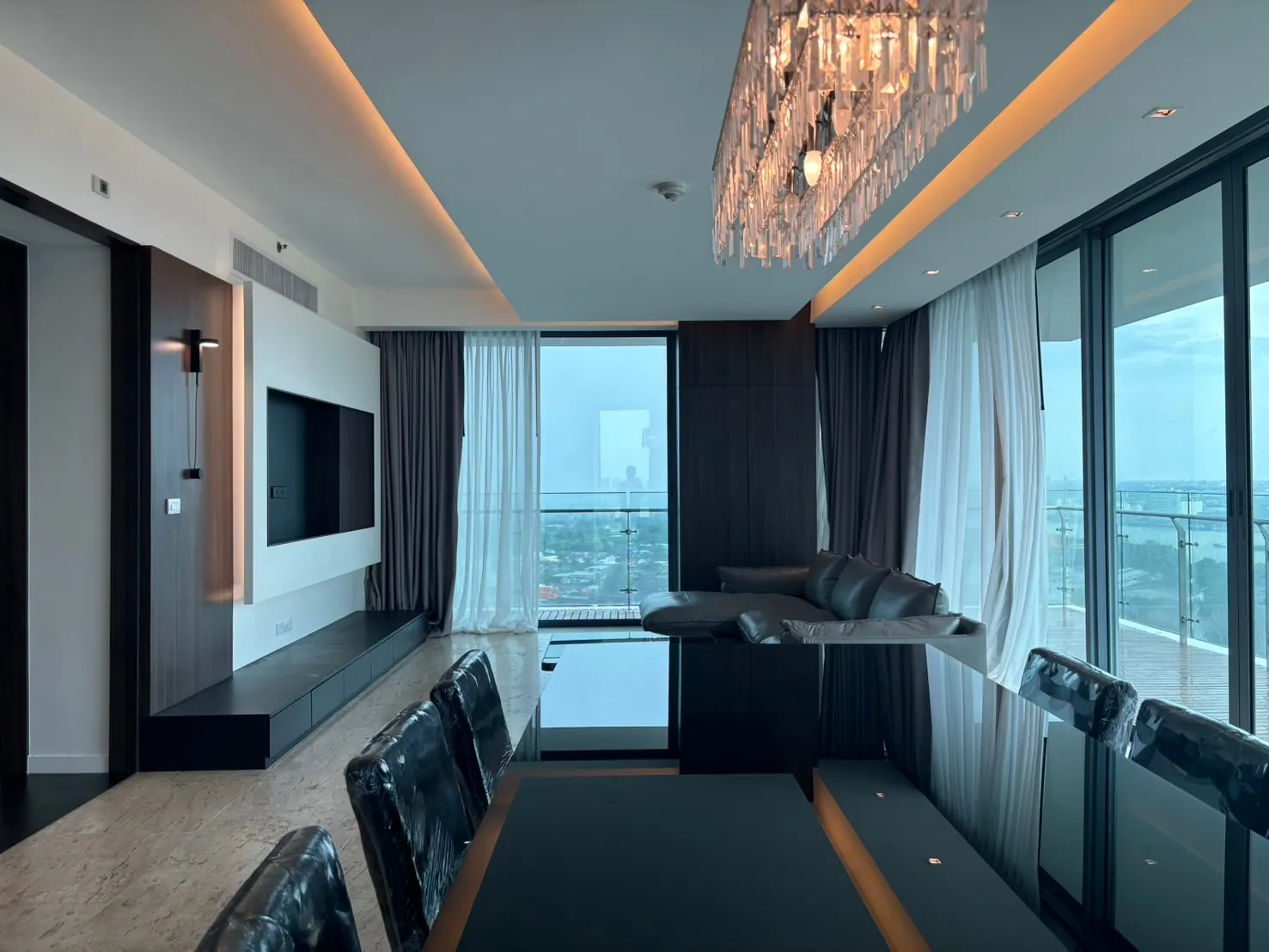 Sale · Rent
IN68004 · Condominium
The Pano Rama 3
Rama 3 – Sathupradit · 3 Bed · 4 Bath · 224.79 sqm
Indicative gross yield 4.4%
฿33M
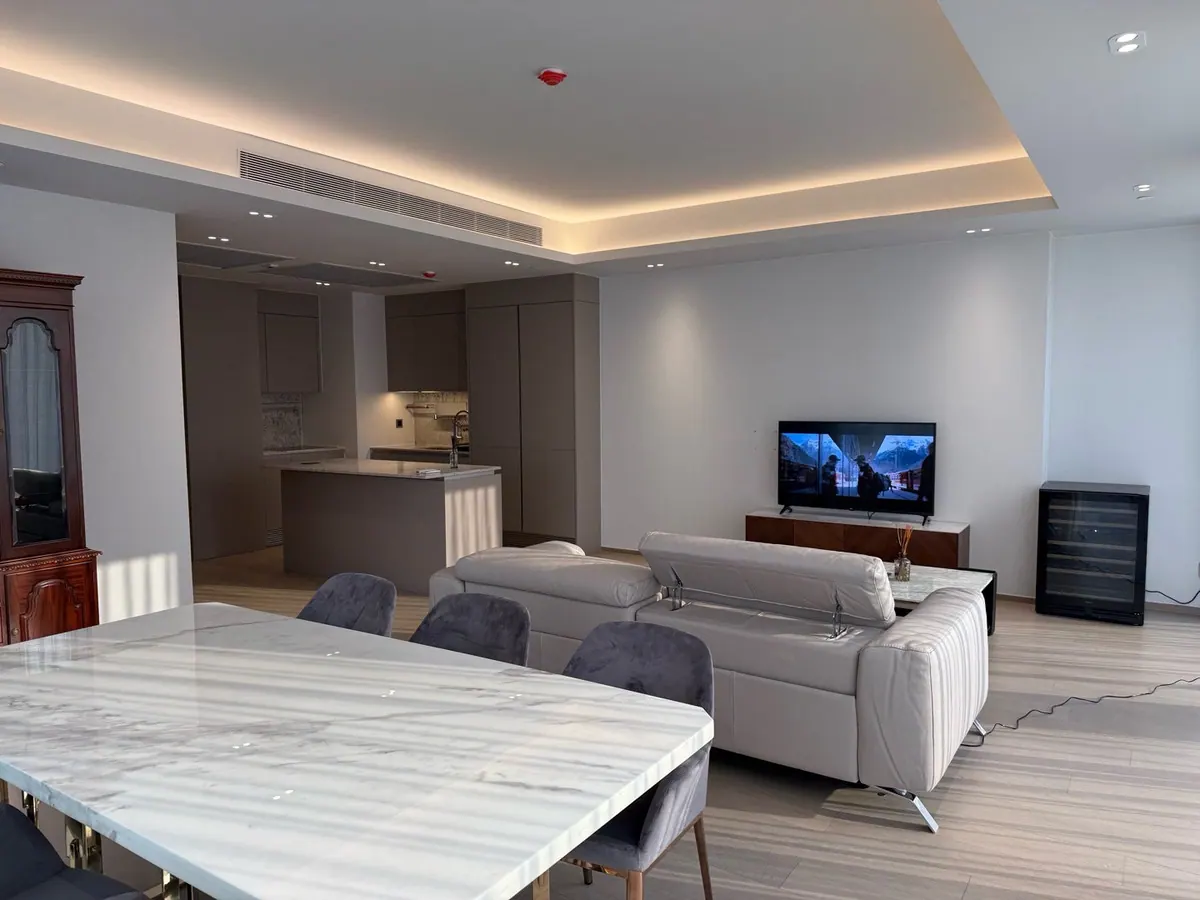 Sale · Rent
IN68023 · Condominium
Tonson One Residence
Wireless – Chidlom – Langsuan · 2 Bed · 2 Bath · 106.89 sqm
Indicative gross yield 4.0%
฿48.3M
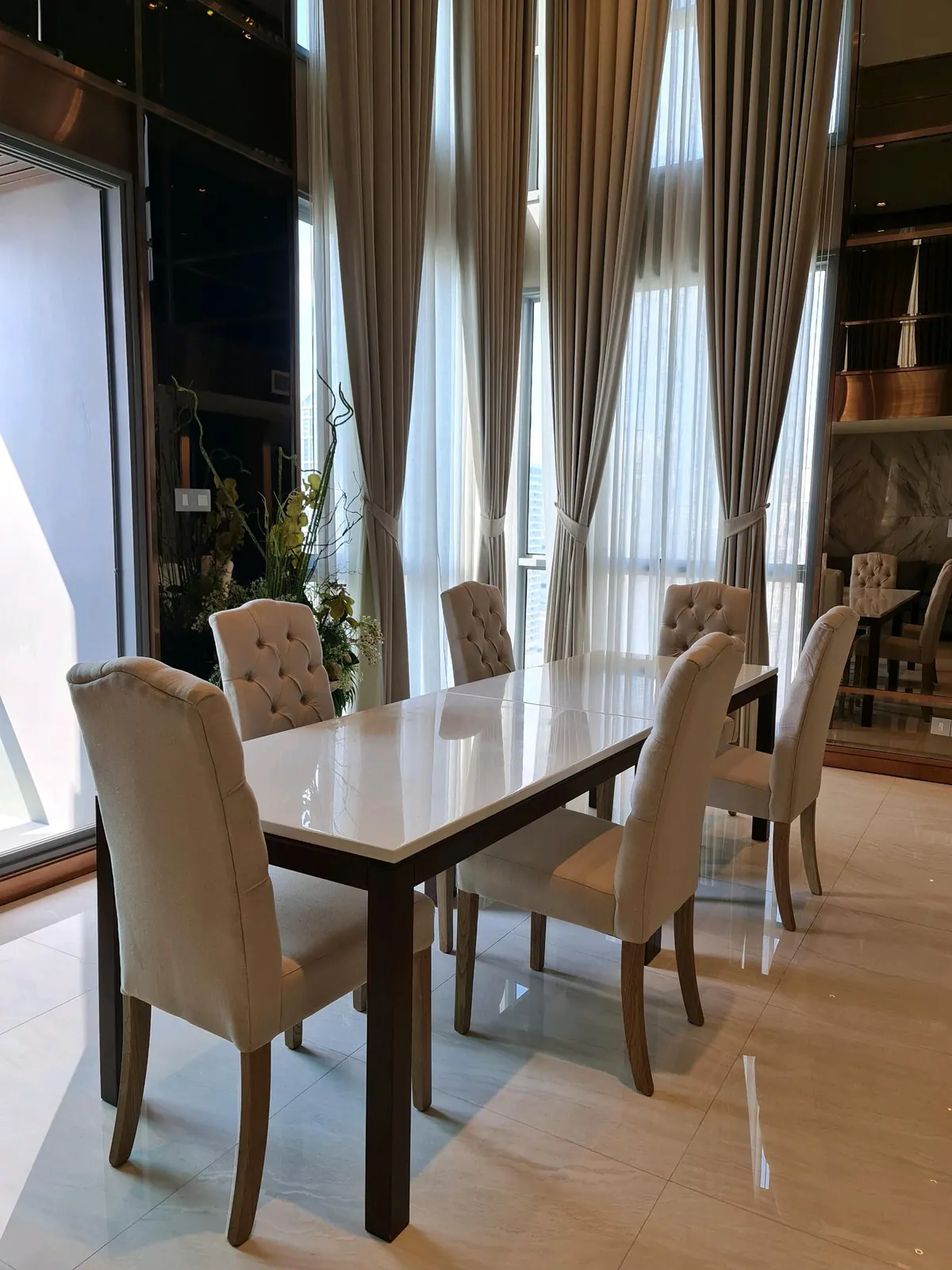 Sale · Rent
IN68026 · Condominium
H Sukhumvit 43
Sukhumvit – Asoke – Thonglor · 4 Bed · 5 Bath · 238 sqm
Indicative gross yield 4.2%
฿51.5M